

Weight loss can change more than clothing size. As the body becomes smaller, the face can also begin to look different. Cheeks may appear flatter, temples may look more hollow, the jawline may soften, or fine lines may seem more visible than they did before.
For patients who are thrilled with their progress but surprised by facial changes, the experience can feel complicated. That is where semaglutide has created a new conversation. This medication can support meaningful weight loss when used with lifestyle changes, but fat loss does not only happen at the waist. It can also affect the youthful volume that gives the face its softness, structure, and balance.
Keep reading to understand why this happens, what “Ozempic face” really means, and how aesthetic treatments can help restore a more refreshed look after weight loss.
What Is Semaglutide?
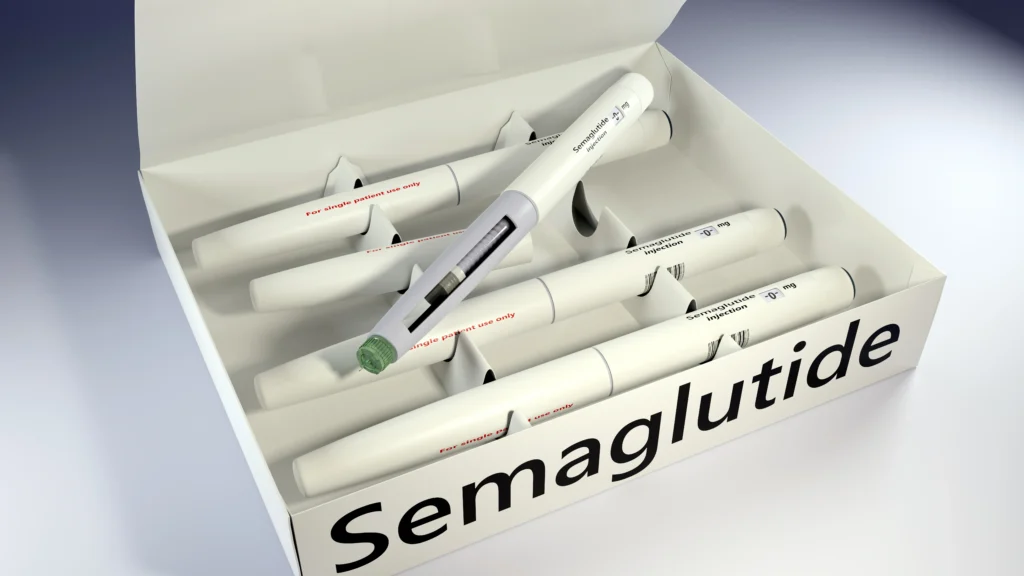
Semaglutide is a GLP-1 receptor agonist medication used to support blood sugar regulation and chronic weight management in eligible patients. Originally developed for type 2 diabetes, semaglutide works by mimicking GLP-1, a hormone that influences appetite, insulin secretion, and digestion.
In weight management, semaglutide may help patients feel fuller sooner, reduce appetite, and maintain lower food intake more consistently. FDA-approved semaglutide for chronic weight management is indicated as an addition to reduced-calorie nutrition and increased physical activity for eligible adults and certain adolescents.
The body benefits can be meaningful. However, the face may show weight loss in ways patients did not expect. This is why terms like Ozempic face in Michigan and semaglutide face aging have become common among patients who want to understand why they look thinner but also more tired.
Why the Face Changes
Facial fat is not the same as unwanted body fat. The face has natural fat compartments that help create youthful contour. Cheek fullness, temple softness, under-eye support, and jawline balance all depend partly on facial volume.
As people age, facial fat naturally shifts and diminishes. When weight loss happens quickly or significantly, those changes can become more noticeable. This is the basis of facial volume loss with semaglutide. The medication itself is not directly “aging” the face in the way sun damage or smoking does.
Instead, the facial change usually comes from the visible effects of weight loss. Less facial fullness can reveal shadows, folds, laxity, and bone structure that were previously softened by volume.
The goal is not to discourage weight loss. It is to help patients understand the full aesthetic picture so they can feel confident in both their body and face.
1. Cheeks May Look Flatter
One of the most common changes after semaglutide-supported weight loss is reduced cheek fullness. The cheeks play a major role in facial youthfulness. They help lift the midface, soften the under-eye area, and create a smooth transition from the lower eyelid to the mouth.
When cheek volume decreases, the face may look less supported, even if the patient feels healthier and more confident in their body. This can create a hollow or drawn appearance. Smile lines may look deeper because the midface no longer has the same internal support. Makeup may sit differently. Photos may show more shadowing through the center of the face.
For patients exploring fillers after weight loss in Michigan, cheek restoration is often one of the first areas discussed. The goal is not to overfill the cheeks. It is to restore proportion carefully so the face looks rested, lifted, and balanced.
2. Under-Eyes Can Look More Hollow
The under-eye area is delicate, and weight loss can make it appear more shadowed. When midface volume decreases, the transition between the lower eyelid and cheek can become more pronounced.
Patients may notice tear troughs, dark shadows, or a tired appearance that does not improve with sleep. This can be frustrating because the face may look fatigued even when the patient feels better physically.
Under-eye treatment requires caution. Not every patient is a good candidate for filler directly under the eyes. Sometimes cheek support must be restored first. In other cases, skin quality, pigmentation, puffiness, or anatomy may require a different approach.
This is why rapid weight loss and facial rejuvenation in Michigan should be personalized. A skilled provider looks at the whole face before deciding where volume belongs.
3. Skin Laxity Can Become More Visible
Weight loss can reveal skin looseness that was previously less noticeable. Facial fat often acts like internal padding. When that padding decreases, the skin may not fully contract, especially if collagen and elastin have already declined with age. This can make the lower face, jawline, and neck appear softer or looser.
These GLP-1 skin changes are not always about the skin itself changing overnight. Often, the skin is simply responding to a smaller underlying structure. The support beneath it has changed, so the surface looks different.
Treatment may involve a combination approach. Dermal fillers can restore volume in select areas, while skin-tightening treatments may support firmness. Neuromodulators, collagen stimulators, and medical-grade skin care may also be part of the plan depending on the patient’s needs.
4. Smile Lines May Deepen
Nasolabial folds, often called smile lines, can become more visible after facial weight loss. These folds run from the sides of the nose toward the corners of the mouth. They are influenced by skin quality, facial anatomy, expression, and midface volume.
When cheek support decreases, the tissue above the fold may descend slightly, making the crease look deeper. The instinct may be to fill the fold directly, but that is not always the most elegant solution. In many cases, supporting the cheek and midface can soften the fold more naturally.
Direct filler may still be used, but it should be done conservatively. This is where artistry matters. The face should not look heavy or inflated. It should look refreshed, as though the patient’s weight loss and facial balance now belong together.
5. The Jawline May Soften
Patients often expect weight loss to sharpen the jawline, and sometimes it does. However, if facial fat loss is paired with skin laxity, the jawline may actually look less defined. Reduced volume in the cheeks and lower face can allow skin to settle differently, creating mild jowling or a softer contour around the mouth and chin.
This can be surprising for patients who feel slimmer everywhere else. A smaller body does not always mean a more sculpted face if skin support has changed. For some patients, jawline filler, chin balancing, or collagen-supporting treatments may help restore definition.
For others, skin tightening may be the more appropriate first step. The treatment plan depends on whether the concern is volume loss, laxity, bone structure, or a combination.

6. Temples Can Look Hollow
The temples are often overlooked until they lose volume. Temple hollowing can make the upper face look more angular, tired, or aged. It may also affect the way the brows and eyes appear. When the temples lose fullness, the face can look less softly balanced from the front and side.
Semaglutide-related facial slimming may reveal temple hollowing more clearly, especially in patients who already had age-related volume loss. This area requires advanced technique because of important anatomy and the need for subtle correction.
Restoring temple volume can help the upper face look smoother and more harmonious, but it should be done with restraint. The goal is quiet refinement, not obvious fullness.
7. Fine Lines May Stand Out More
When the face loses volume, fine lines can appear more noticeable. This does not always mean the skin suddenly creates new wrinkles. Instead, the skin may have less underlying support, making existing lines easier to see.
Dehydration, reduced nutrition during weight loss, sun exposure, and lower protein intake may also affect the skin’s appearance. Patients on semaglutide may need to be especially intentional about hydration, protein, and skin care. Because appetite decreases, some patients may unintentionally under-eat key nutrients that support skin and collagen. A balanced wellness plan matters.
Aesthetic treatments can help, but the foundation should include nutrition, hydration, sunscreen, and skin care that supports the barrier.
A Softer Landing After Weight Loss
Semaglutide can help patients achieve meaningful weight loss, but the face may need its own kind of support as the body changes. Facial volume loss, skin laxity, deeper folds, and hollowing can make patients look more tired than they feel, even when their health and confidence are improving.
At A Fine Line Aesthetics in St. Milford and Canton, MI, patients can explore facial rejuvenation options that complement their weight loss journey with refinement and balance. From dermal fillers to skin-focused treatments, the goal is to restore softness, structure, and harmony without taking away from the progress patients have made.
With the right plan, semaglutide does not have to leave the face looking depleted. It can be part of a broader transformation that helps patients feel confident in their body and beautifully refreshed in their features.
Call us today to schedule your consultation!

